.png)
Restoration & Historic Preservation
The restoration of the St. John Rosenwald School—now the St. John Family Life & Fitness Center—was a carefully planned effort to preserve both the structure and the story it represents. Originally built in 1922 using standardized Rosenwald School plans, the building reflects a distinctive architectural style designed to maximize natural light and support effective learning environments for African American students during segregation.
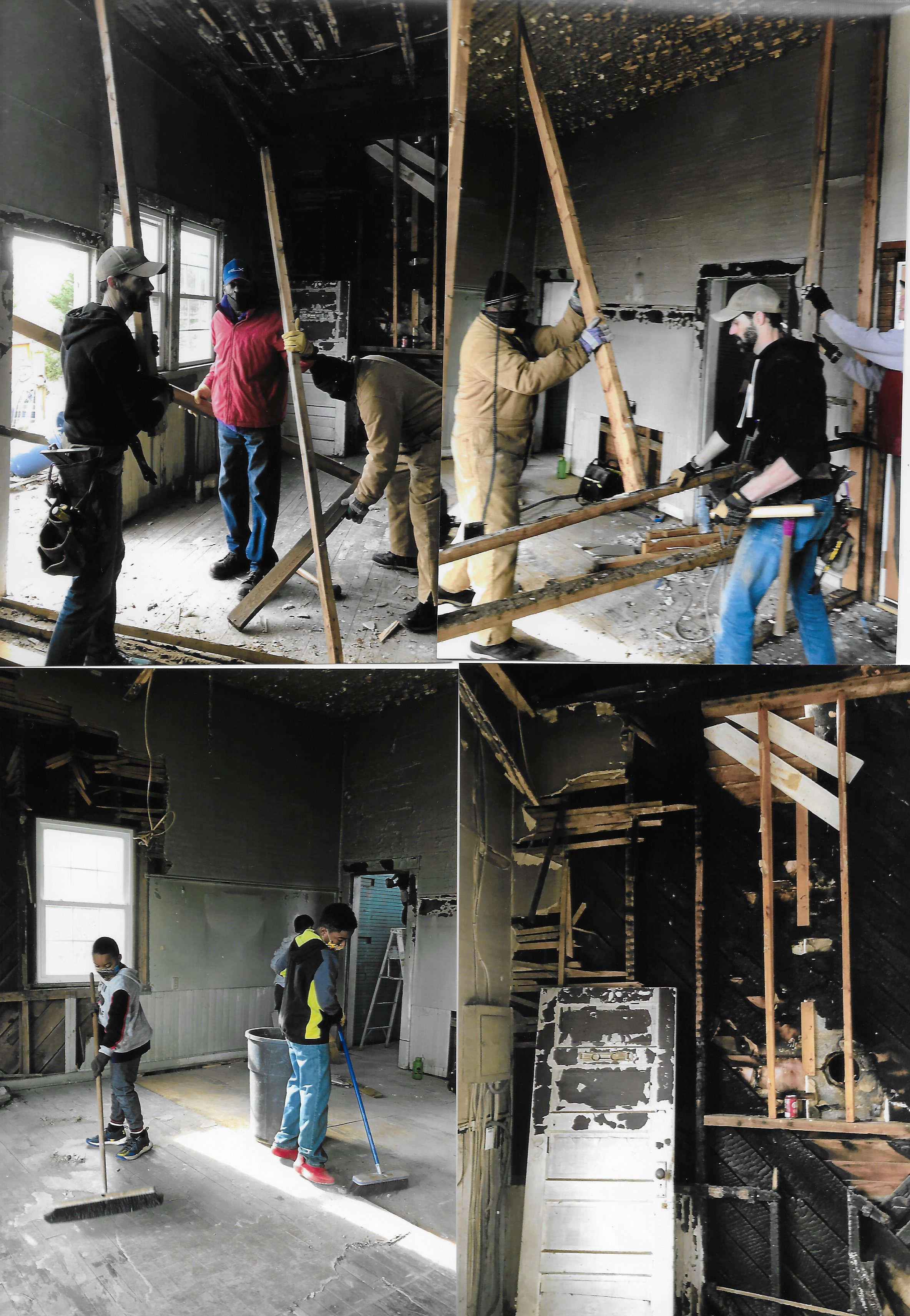
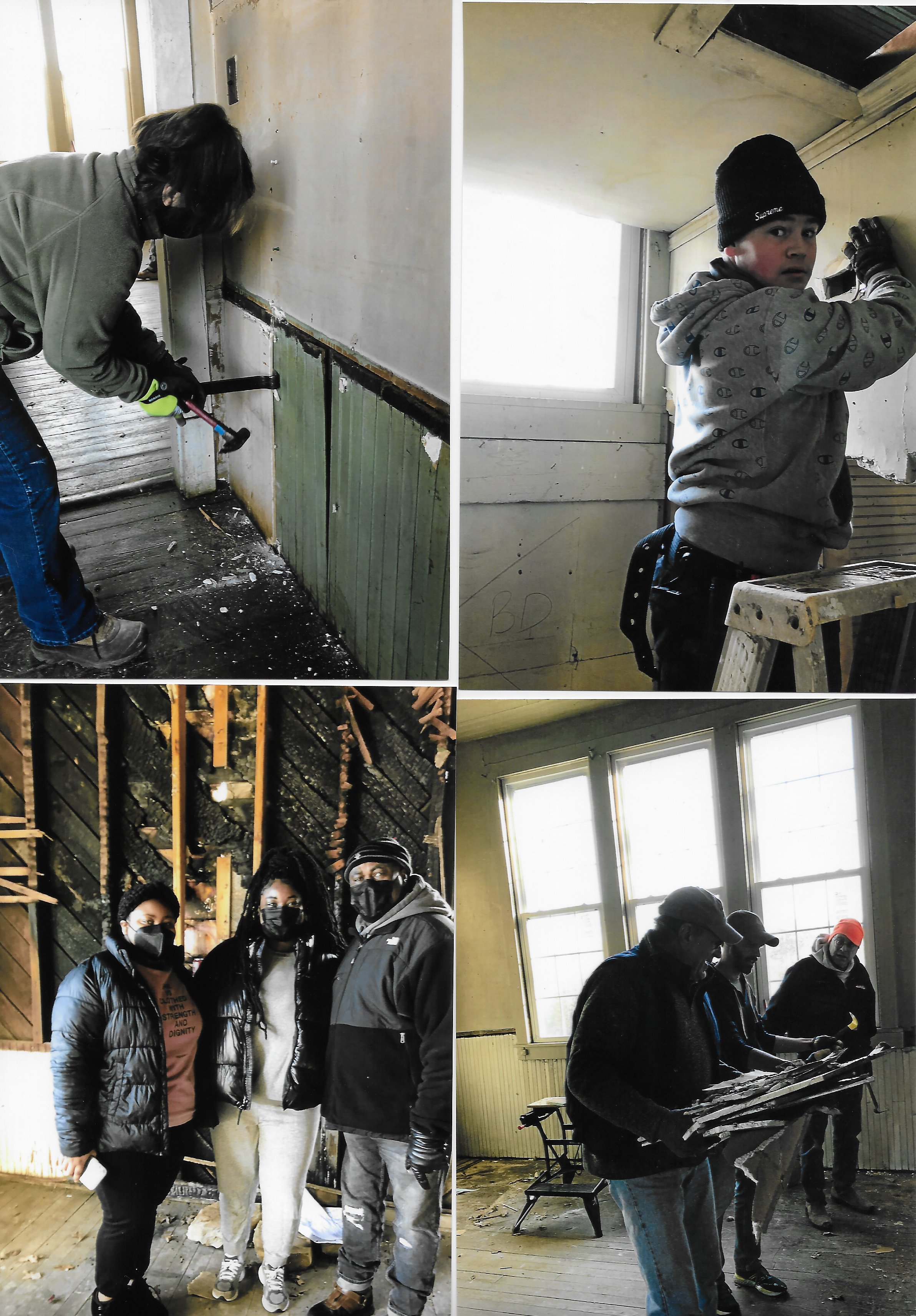
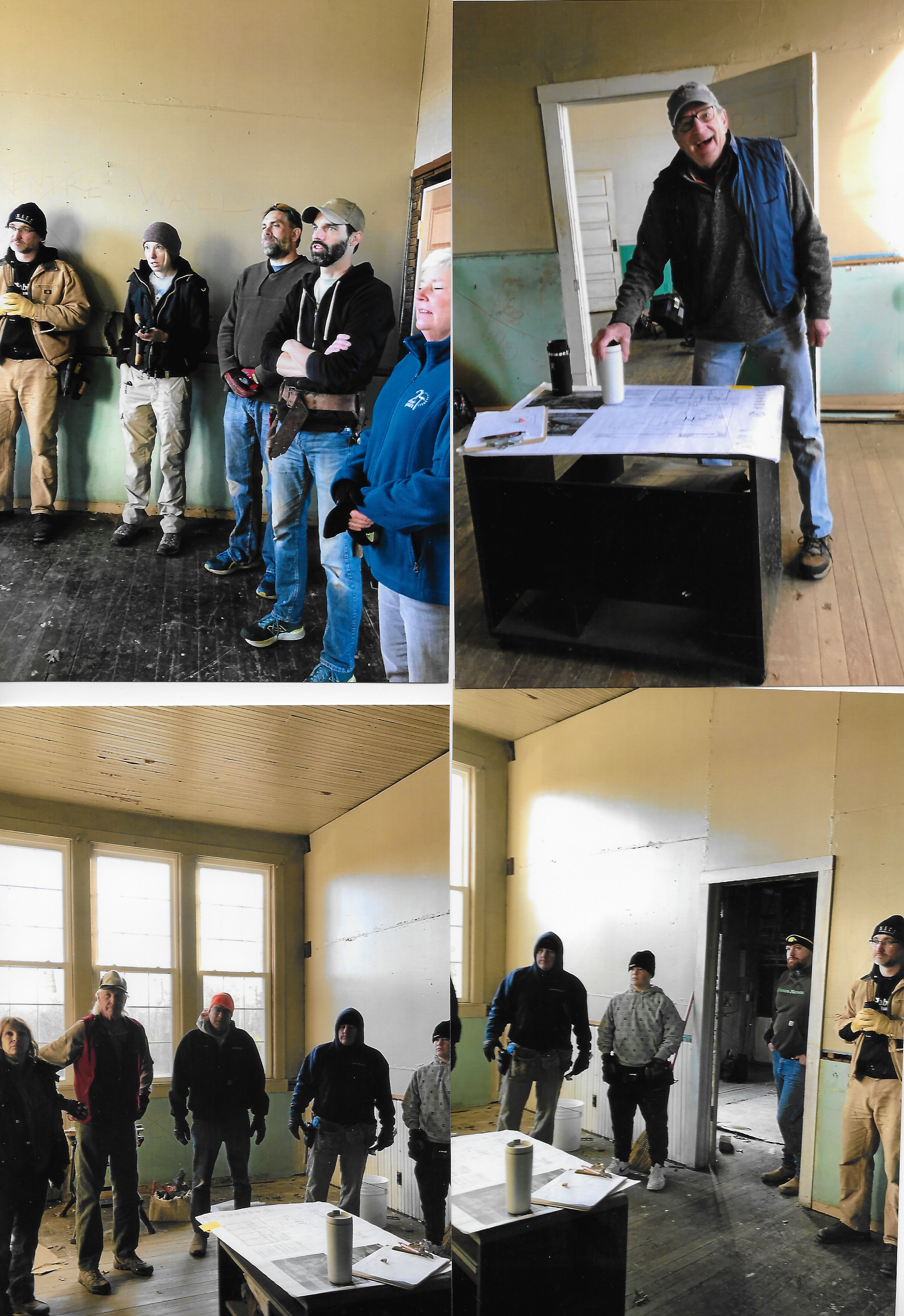
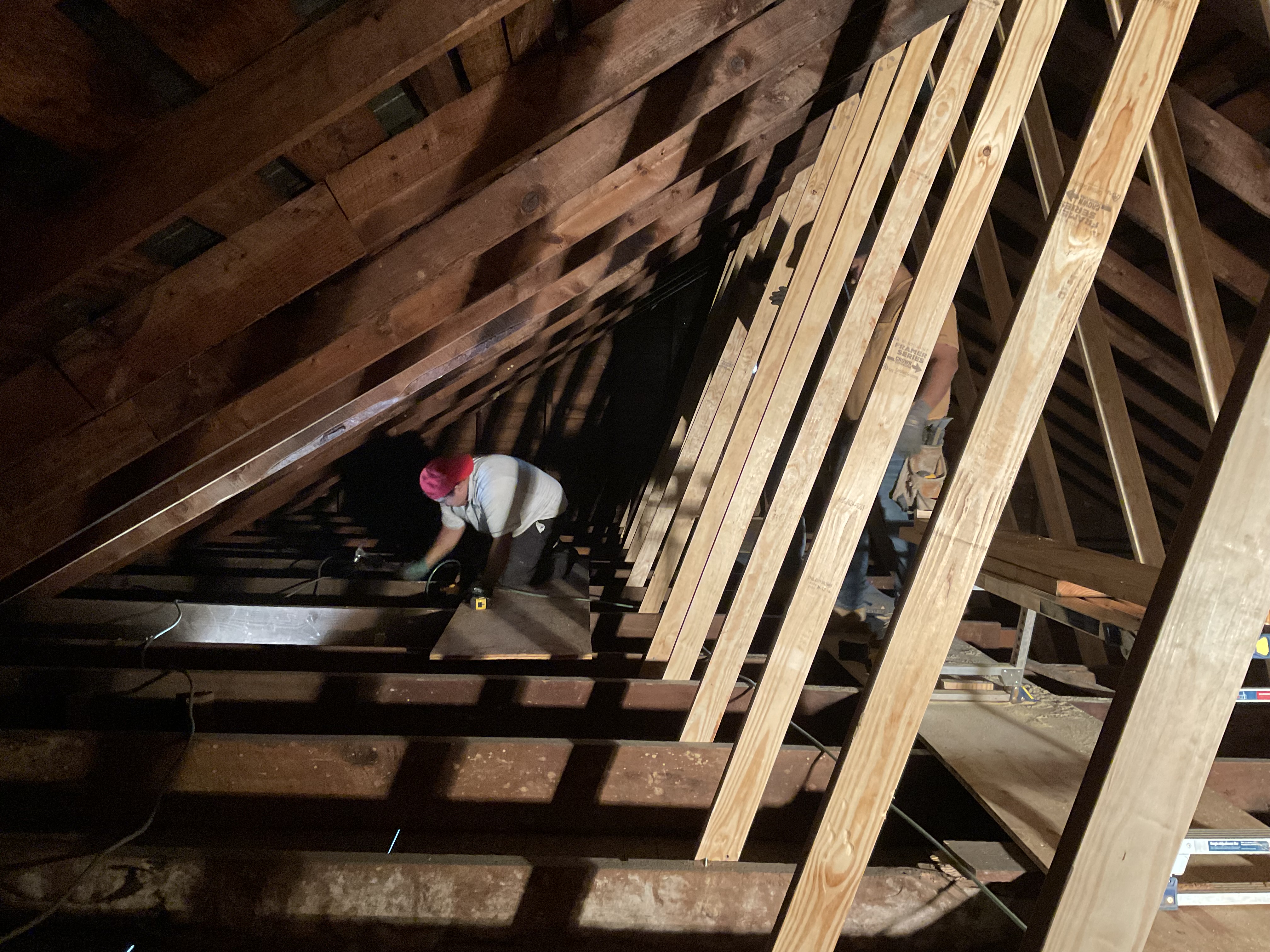
As the building aged, it required significant stabilization and rehabilitation. The restoration process began with structural assessments and repairs to ensure the integrity of the foundation, roof, and framing. Exterior elements were restored to reflect the original appearance, while windows, siding, and key architectural features were preserved or replicated in accordance with historic preservation standards.
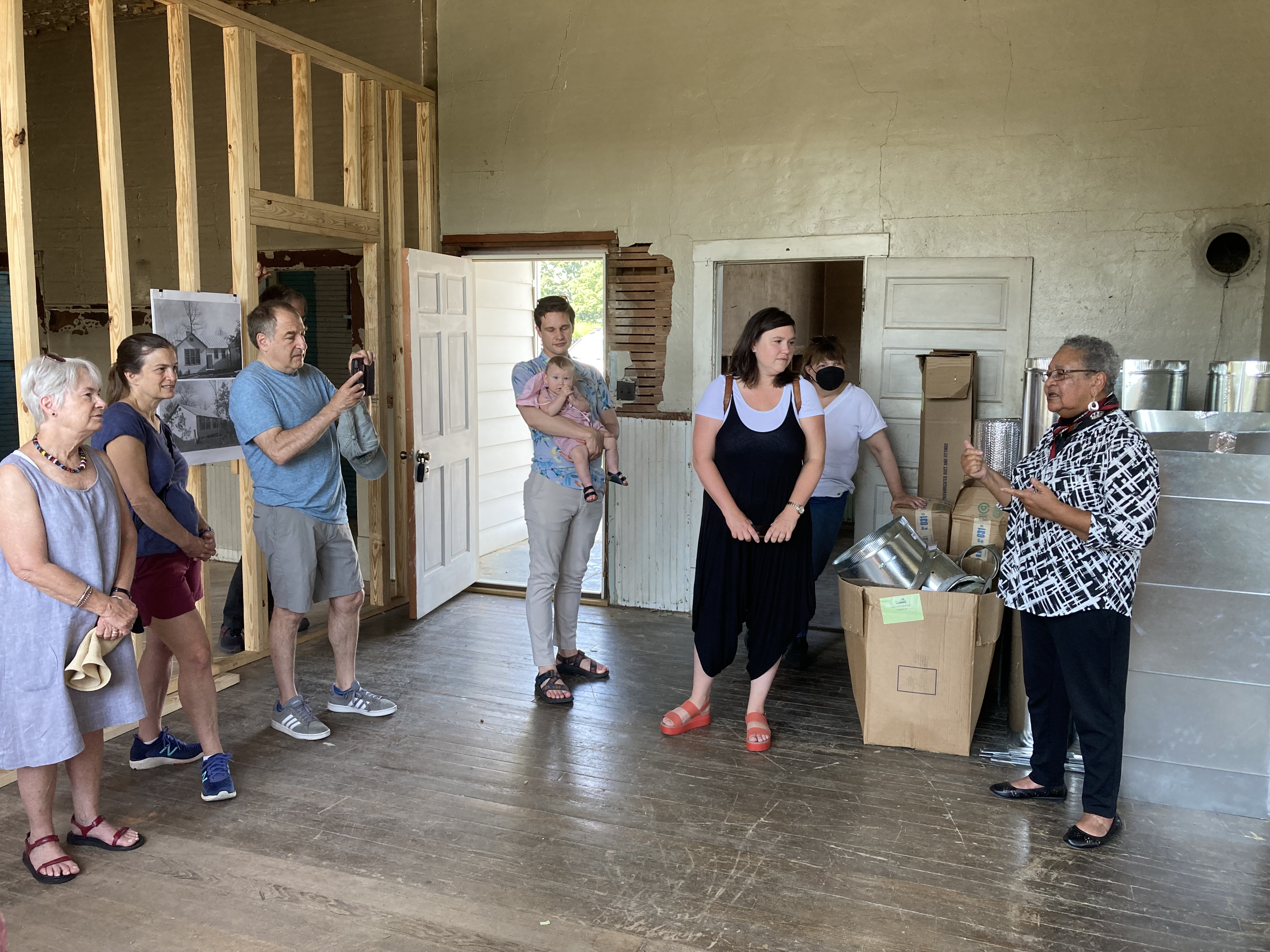
Inside, the work focused on maintaining the character of the original classrooms—including layout, scale, and historic elements such as wood finishes—while upgrading essential systems. Electrical, plumbing, and climate systems were modernized to meet current safety and accessibility requirements, and the space was adapted for multi-purpose community use.
The project was supported through a combination of grants—including historic preservation funding—and strong community advocacy. Throughout the process, care was taken to balance authenticity with functionality, ensuring the building could serve present-day needs without losing its historical identity.
Today, SJFLFC stands as both a restored landmark and a living preservation effort—honoring the legacy of Rosenwald Schools while continuing its original mission as a place of learning, gathering, and community empowerment.













Architectural Significance of Rosenwald Schools
Rosenwald Schools represent one of the most influential architectural movements in early 20th-century American education, blending thoughtful design with social purpose.
Developed through standardized plans created by the Rosenwald Fund, these schools were intentionally designed to maximize natural light, ventilation, and functionality—critical features in rural areas that often lacked electricity and modern infrastructure.
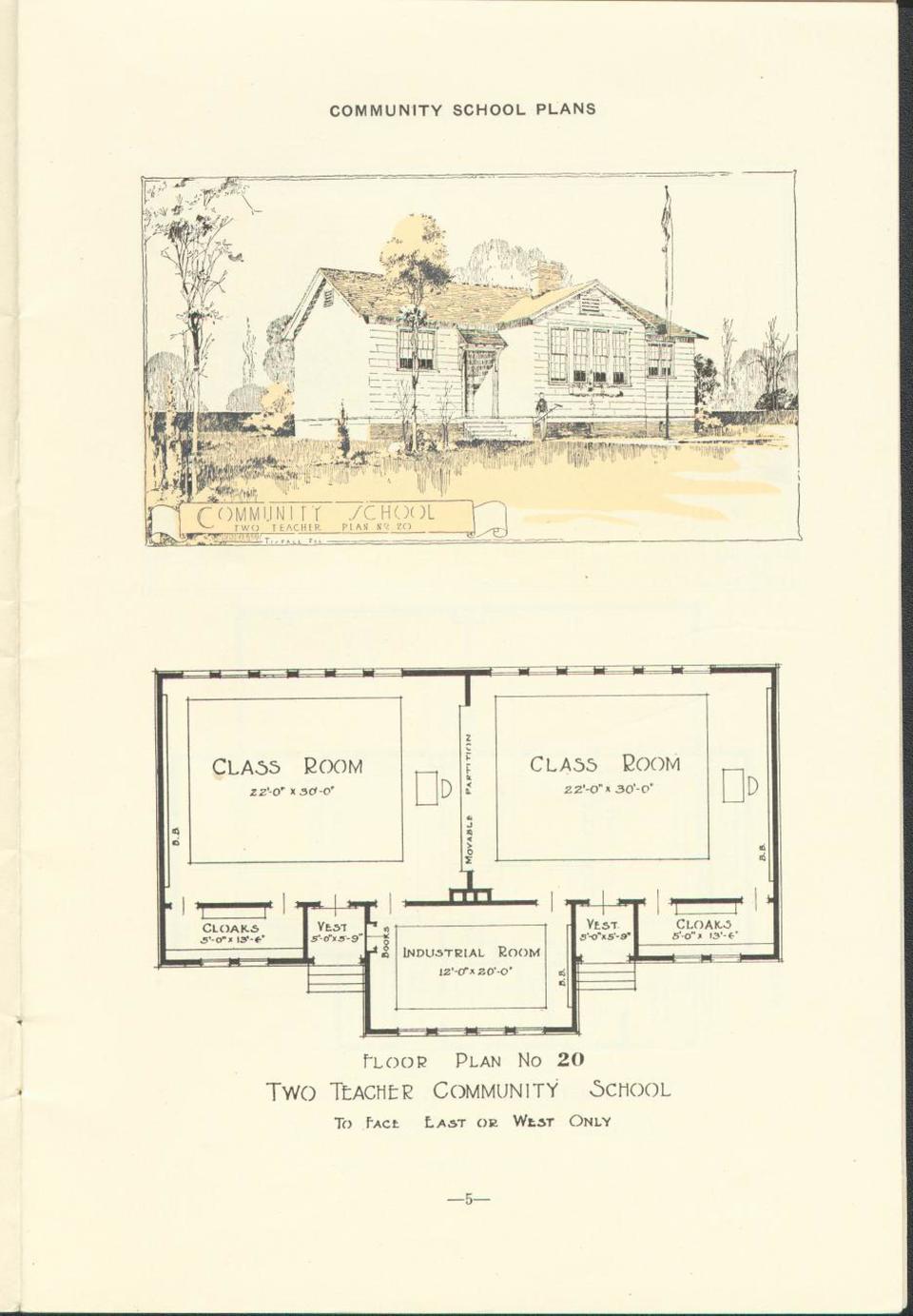
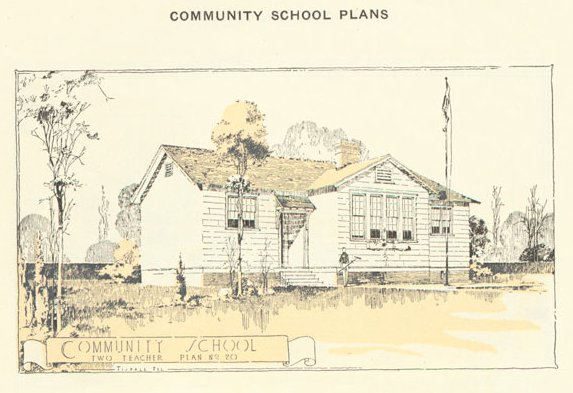
The St. John Rosenwald School reflects the “Floor Plan No. 20,” a two-teacher design that balanced efficiency with adaptability. Its large banks of windows were strategically placed to provide ample daylight for students, while the building’s orientation and layout supported healthy learning conditions. Interior spaces were carefully organized to accommodate multiple grade levels, often with movable partitions that allowed classrooms to expand or contract as needed.
Beyond their physical design, Rosenwald Schools embody a powerful collaboration between philanthropy and community. While architectural plans were standardized, each school was locally constructed using community labor and materials, making every building both a shared investment and a cultural landmark.
Today, these structures are recognized not only for their design innovation but also for what they represent: a nationwide effort to expand educational access for African American children and a lasting legacy of resilience, ingenuity, and community-driven progress.
